By Consensus HR – Your Outsourced HR Department for Hertfordshire, Bedfordshire & Cambridgeshire
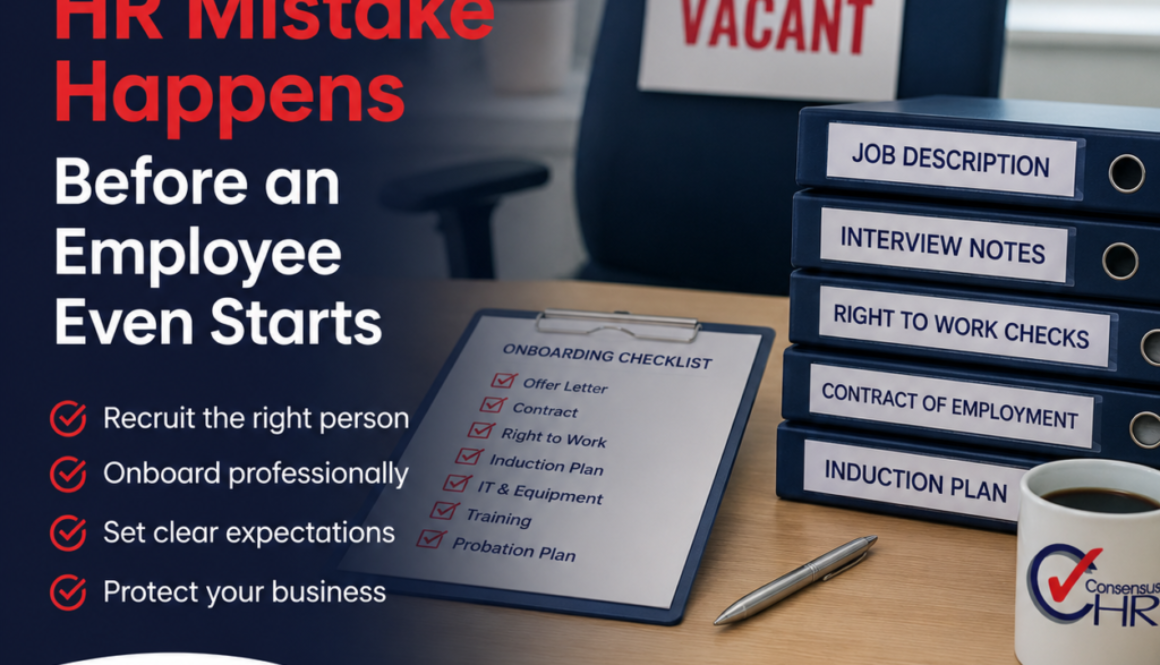
Recruiting a new employee is one of the biggest investments any business makes. Yet many employers unknowingly create expensive HR and Employment Law risks long before their new recruit walks through the door.
The recruitment process doesn’t begin on an employee’s first day—it starts with the very first advert, continues through the interview process and extends into every stage of onboarding and probation.
Get it right and you’ll increase retention, productivity and employee engagement.
Get it wrong and you could be dealing with early resignations, poor performance, recruitment costs, legal claims and the need to recruit all over again.
At Consensus HR, we regularly help businesses review their recruitment and onboarding processes, and one thing is clear: the most successful employers don’t leave recruitment to chance—they follow a structured, documented process from beginning to end.
Recruitment Is More Than Filling a Vacancy
Too often, employers focus solely on finding someone quickly rather than finding the right person.
Common mistakes include:
Writing vague or unrealistic job adverts.
Using outdated job descriptions.
Failing to identify the key competencies required.
Conducting unstructured interviews.
Asking inconsistent interview questions.
Not checking references thoroughly.
Failing to complete Right to Work checks correctly.
Issuing contracts of employment late.
Each of these mistakes increases both business and legal risk.
Recruitment should be viewed as an investment—not simply an administrative task.
First Impressions Matter
A new employee will often decide within the first few weeks whether they can see a future with your organisation.
Unfortunately, many businesses unintentionally create a poor first impression by:
Having no structured induction.
Providing little or no training.
Leaving new starters unsure of expectations.
Failing to introduce colleagues properly.
Providing limited management support.
Waiting until the end of probation to discuss performance.
Employees who feel unsupported during their first few weeks are significantly more likely to leave early.
Early resignations don’t just cost money—they also impact team morale and productivity.
Your Documentation Protects Everyone
Before a new employee starts, employers should ensure they have:
A legally compliant Contract of Employment.
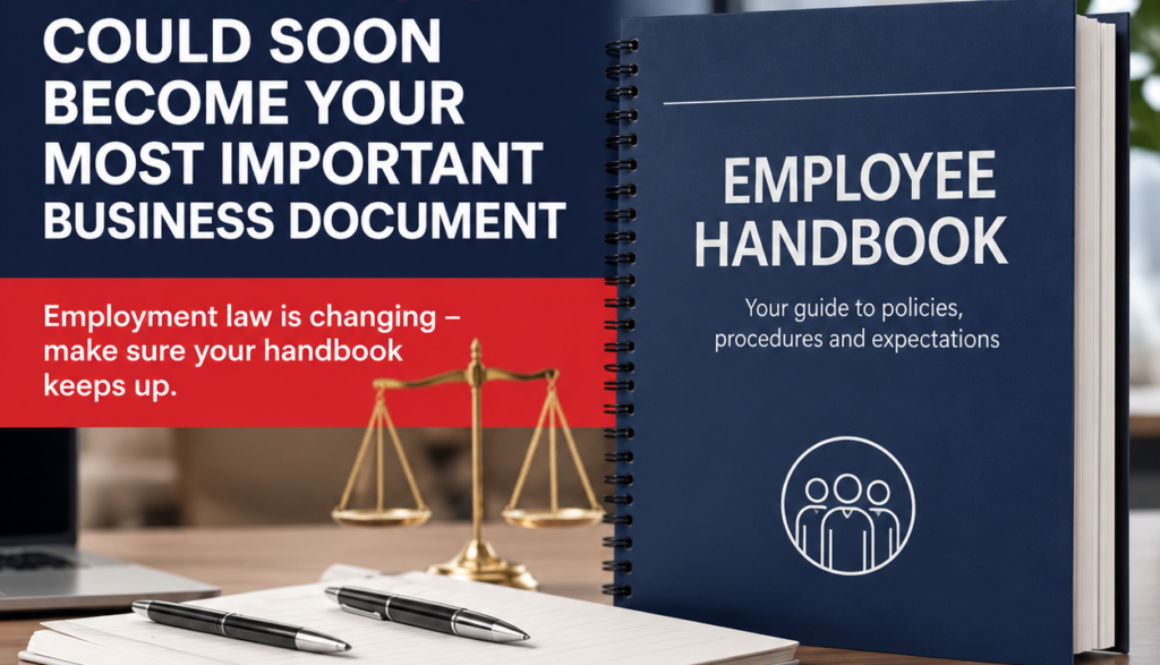
An up-to-date Employee Handbook.
A clear Job Description.
Workplace policies that reflect current UK Employment Law.
A structured induction programme.
A documented probationary review process.
These documents don’t simply satisfy legal requirements—they provide clarity, consistency and confidence for both employer and employee.
Don’t Leave Probation Until the End
One of the biggest mistakes employers make is treating probation as a single meeting at the end of three or six months.
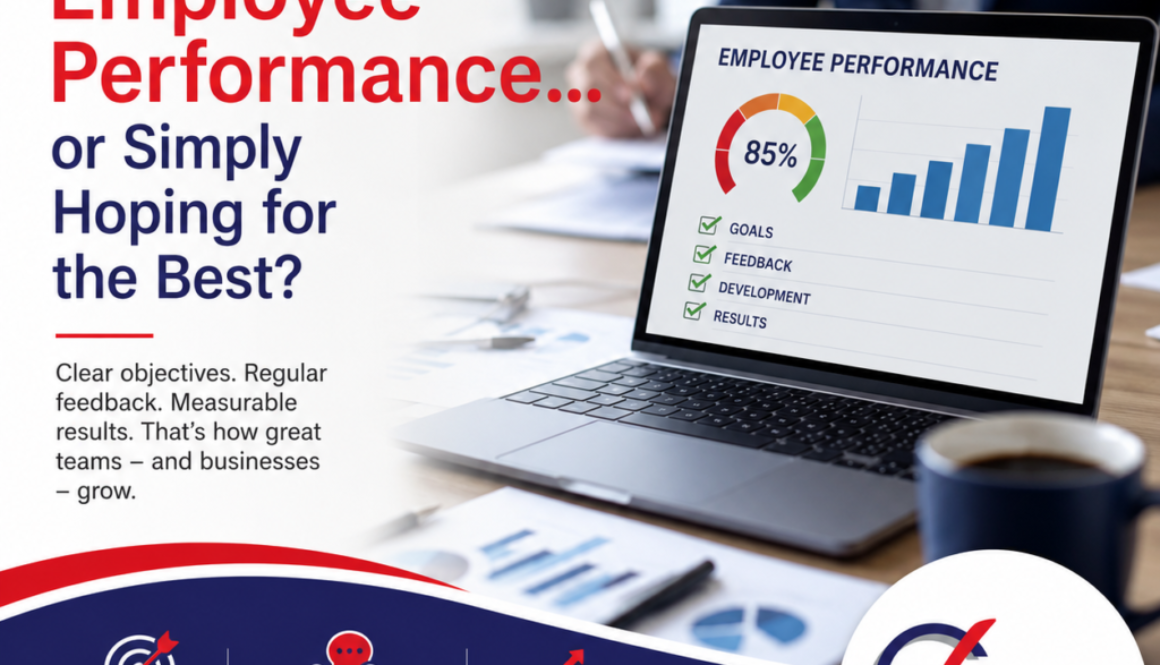
Effective probation should include regular, scheduled review meetings, documented objectives and constructive feedback throughout the entire period.
Employees should always understand:
What is expected of them.
How performance will be measured.
What support is available.
What success looks like.
By identifying concerns early, employers have a much greater opportunity to support improvement and make informed employment decisions.
Employment Law Update
With significant Employment Rights changes continuing to be introduced across the UK, employers should ensure every stage of recruitment and onboarding is legally compliant.
Businesses should already be preparing for the anticipated January 2027 reduction in the qualifying period for unfair dismissal protection to six months, making robust recruitment, onboarding and probation processes more important than ever.
Good recruitment documentation today could become invaluable evidence tomorrow.
Comment from Matthew Chilcott – Owner, Consensus HR
“Throughout my HR career, one thing has remained constant—the best recruitment decisions are rarely made by chance. Successful employers recruit carefully, onboard professionally and manage probation proactively. One of the most effective tools I have ever developed is our Probationary Review Workbook, which guides both managers and employees through structured review meetings from the first week of employment. It creates transparency, encourages regular communication and provides documented evidence of support and performance throughout probation. Businesses that invest time at the beginning of employment usually experience better retention, stronger performance and far fewer employee relations issues later.”
How Consensus HR Can Help
Whether you’re recruiting your first employee or your fiftieth, Consensus HR can support you with every stage of the employment journey.
Our services include:
Recruitment support.
Job descriptions and person specifications.
Interview guidance and competency-based questions.
Contracts of Employment.
Employee Handbooks.
Probationary Review Workbooks.
Management training.
Unlimited retained HR advice.
Employment Law compliance.
We help employers recruit with confidence and build successful teams from day one.
Contact Consensus HR
Telephone: 01438 576750
Email: [email protected]
Website: https://www.consensushr.com
Follow Consensus HR
LinkedIn: https://www.linkedin.com/company/consensus-hr
Facebook: https://www.facebook.com/ConsensusHR
X: https://x.com/ConsensusHR
Instagram: https://www.instagram.com/consensushr
Read More HR Insights
Visit our regularly updated HR Blog:
https://www.consensushr.com/blogs-hr/
Consensus HR
Helping businesses across Hertfordshire, Bedfordshire and Cambridgeshire take the pain out of managing people through proactive, practical and commercially focused HR support.